
Currently Empty: $0
Understanding the psychology behind successful casino strategies
The Role of Cognitive Biases in Gambling
Cognitive biases significantly influence the decisions players make in casinos. One common bias is the “gambler’s fallacy,” which leads individuals to believe that past events will affect future outcomes. For instance, a player might think that after several losses in a game of roulette, a win is due. This misconception can affect betting patterns and lead to irrational decision-making. Many players seek out opportunities for entertainment through online casinos, where these biases can play a crucial role in their experiences.
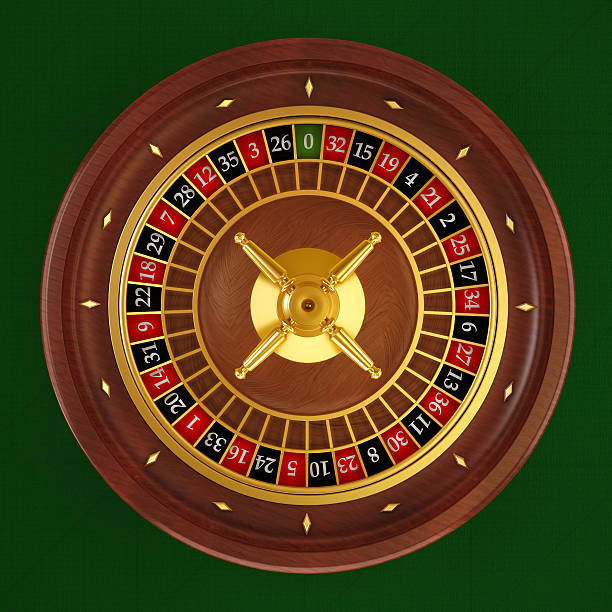
Moreover, confirmation bias plays a role as well; players may focus on wins and disregard losses, reinforcing their strategies even when they are ineffective. Understanding these biases can help gamblers recognize their tendencies and make more informed decisions, ultimately improving their chances of success.
The emotional responses triggered by wins and losses are central to understanding casino psychology. Winning elicits feelings of joy and excitement, which can lead to an increase in betting amounts and risky behaviors. In contrast, losses can result in frustration or a desire to recoup losses, prompting even more aggressive strategies. This emotional rollercoaster can cloud judgment and lead to poor decision-making.
Players often chase losses, a phenomenon known as “loss aversion,” which can be detrimental to overall strategy. By recognizing these emotional triggers, gamblers can develop strategies to manage their emotions and maintain a more rational approach to their gaming experience.
Game Design and Player Engagement
Casino games are meticulously designed to maximize player engagement and retention. The use of sound effects, bright lights, and immersive themes serves to attract and hold attention. These design elements can enhance the thrill of the game, making players less aware of time and money spent. This psychological manipulation can lead to prolonged gaming sessions and greater financial risk.
Furthermore, the concept of “near misses” is vital in casino psychology. Players often experience situations where they almost win, which can reinforce the desire to continue playing despite losses. Understanding how these design elements influence behavior can help players develop strategies to counteract their effects and remain mindful of their gaming habits.
Social Influence in Gaming Environments
Social dynamics within a casino setting can greatly impact individual behaviors and strategies. The presence of other players and the atmosphere can create a sense of camaraderie or competition that influences decisions. For instance, players may feel pressured to conform to aggressive betting styles or may be swayed by the collective excitement of the crowd.
Additionally, players often look to others for cues on how to behave, whether in high-stakes poker games or at slot machines. This peer influence can lead to decisions that are not necessarily in the best financial interest of the individual. Recognizing these social influences can empower players to maintain more control over their strategies, ensuring decisions are based on personal assessment rather than external factors.

Leveraging Psychology for Smarter Strategies
By understanding the psychological factors at play, players can create more effective casino strategies. Awareness of cognitive biases, emotional triggers, game design elements, and social influences allows gamblers to approach games with a clearer mindset. Implementing strategies that consider these psychological aspects can lead to more disciplined gameplay and potentially improve overall outcomes.
Ultimately, being aware of the psychological underpinnings of gambling helps players remain grounded. This awareness not only aids in decision-making but also promotes responsible gaming practices, ensuring a balance between enjoyment and financial responsibility.

 0
0