Currently Empty: $0
Recognizing the signs of gambling addiction A guide to awareness and recovery
Recognizing the signs of gambling addiction A guide to awareness and recovery
Understanding Gambling Addiction
Gambling addiction, also known as compulsive gambling, is a condition where individuals feel an uncontrollable urge to gamble despite the negative consequences. This addiction can manifest in various ways, affecting not only the gambler but also their family and friends. The thrill of winning can quickly turn into a destructive cycle, leading to financial hardship and emotional distress. Many people think they can simply walk away from their gambling habits, but the reality is more complex; for some, finding a casino not on gamstop can exacerbate the issue.
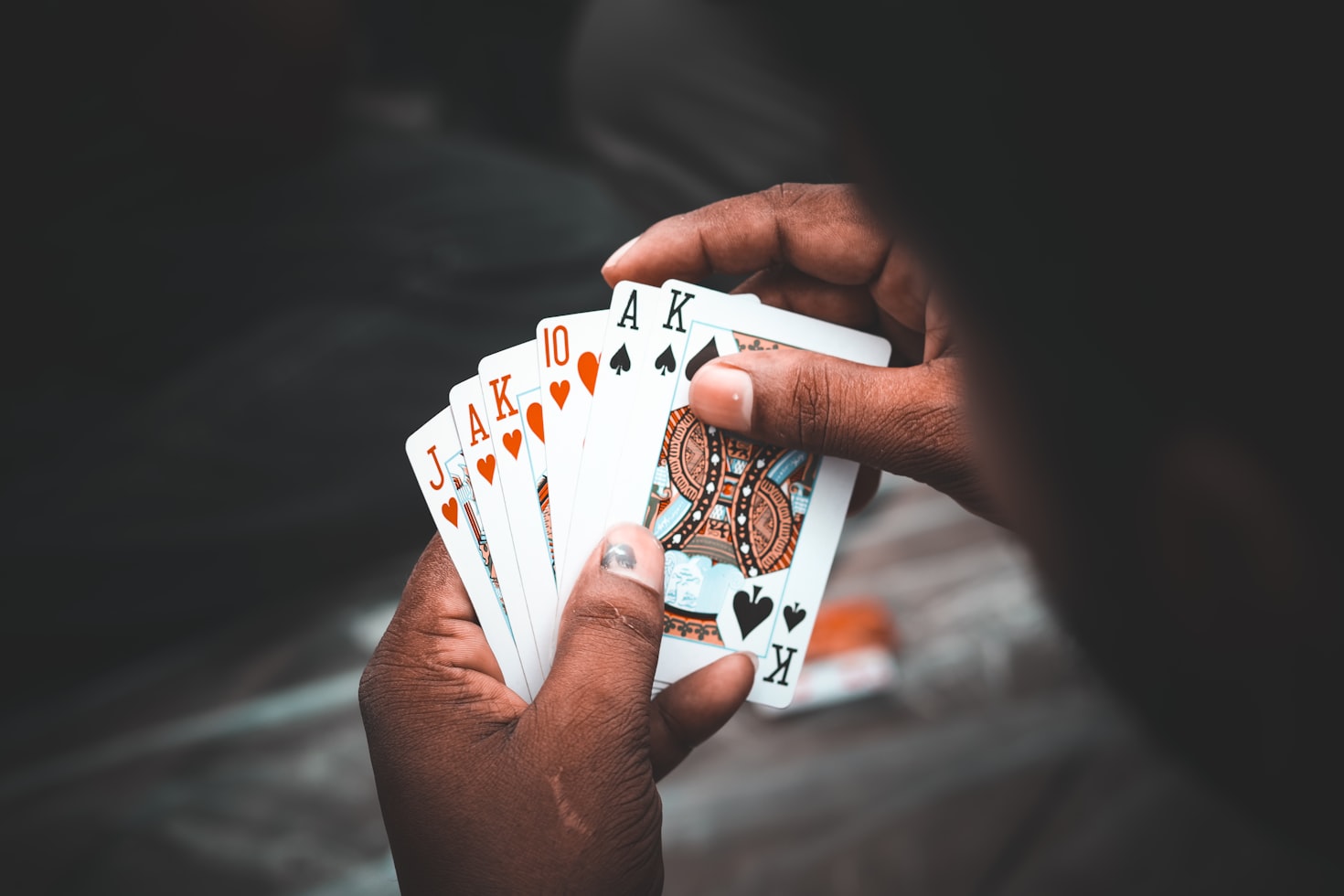
Recognizing gambling addiction is crucial for early intervention. Many people mistakenly believe that they can stop gambling whenever they want, but this is often not the case. Awareness of the signs can facilitate a quicker response and provide the necessary support for recovery.
Signs of Gambling Addiction
One of the most significant signs of gambling addiction is the preoccupation with gambling activities. Individuals may find themselves constantly thinking about their next game or how to win back losses. This obsession often leads to neglect of responsibilities, relationships, and personal well-being.
Other signs include increased tolerance, where an individual needs to gamble larger amounts of money to achieve the same thrill, and the use of gambling as a coping mechanism for stress or anxiety. Recognizing these signs can help in identifying the problem and seeking appropriate help.
The Impact of Gambling Addiction
The effects of gambling addiction extend beyond financial loss. Emotional and psychological impacts are profound, often leading to depression, anxiety, and feelings of guilt or shame. Relationships can suffer as trust erodes and conflicts arise due to financial issues or secrecy surrounding gambling activities.
Moreover, gambling addiction can lead to severe consequences such as job loss, legal issues, and even health problems resulting from stress and anxiety. Understanding the broader impact of this addiction highlights the importance of timely intervention and support.
Path to Recovery
Recovery from gambling addiction is possible but often requires a multifaceted approach. Professional help, such as therapy or counseling, can provide individuals with the tools to manage their addiction. Support groups can also be beneficial, offering a sense of community and understanding from others who are experiencing similar challenges.
Additionally, developing healthy coping strategies and engaging in alternative activities can aid in recovery. It is vital for individuals to acknowledge their addiction and commit to a recovery plan to regain control over their lives.
Resources for Awareness and Support
For those seeking information and resources related to gambling addiction, it’s essential to find reliable and secure websites. These platforms often offer insights, support groups, and contact information for professional help. Understanding the available resources can be a significant first step toward recovery.
Awareness is key in combating gambling addiction. By educating ourselves and others about the signs and resources available, we can foster a supportive environment that encourages individuals to seek help and embark on their path to recovery.

 0
0